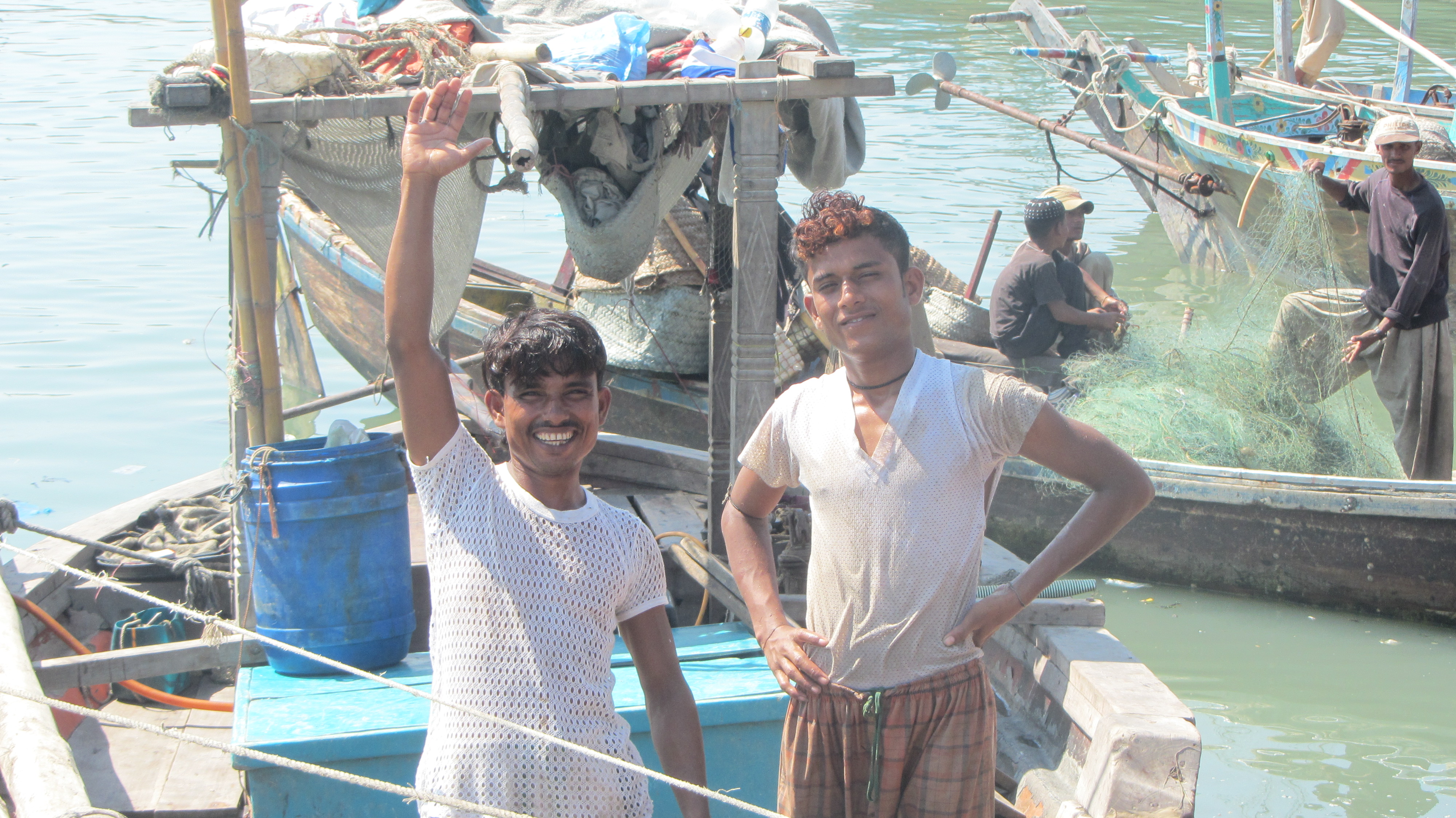
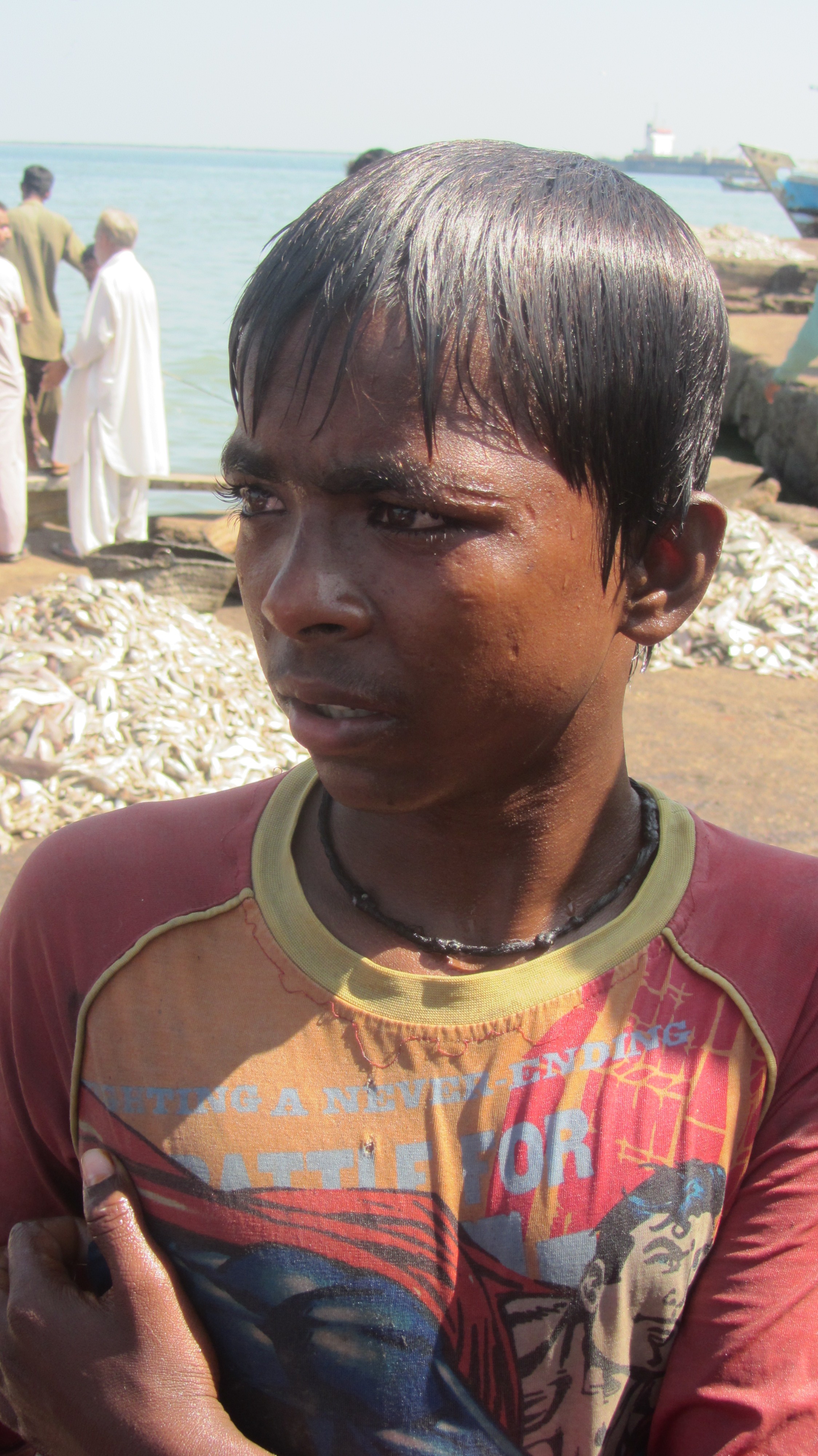
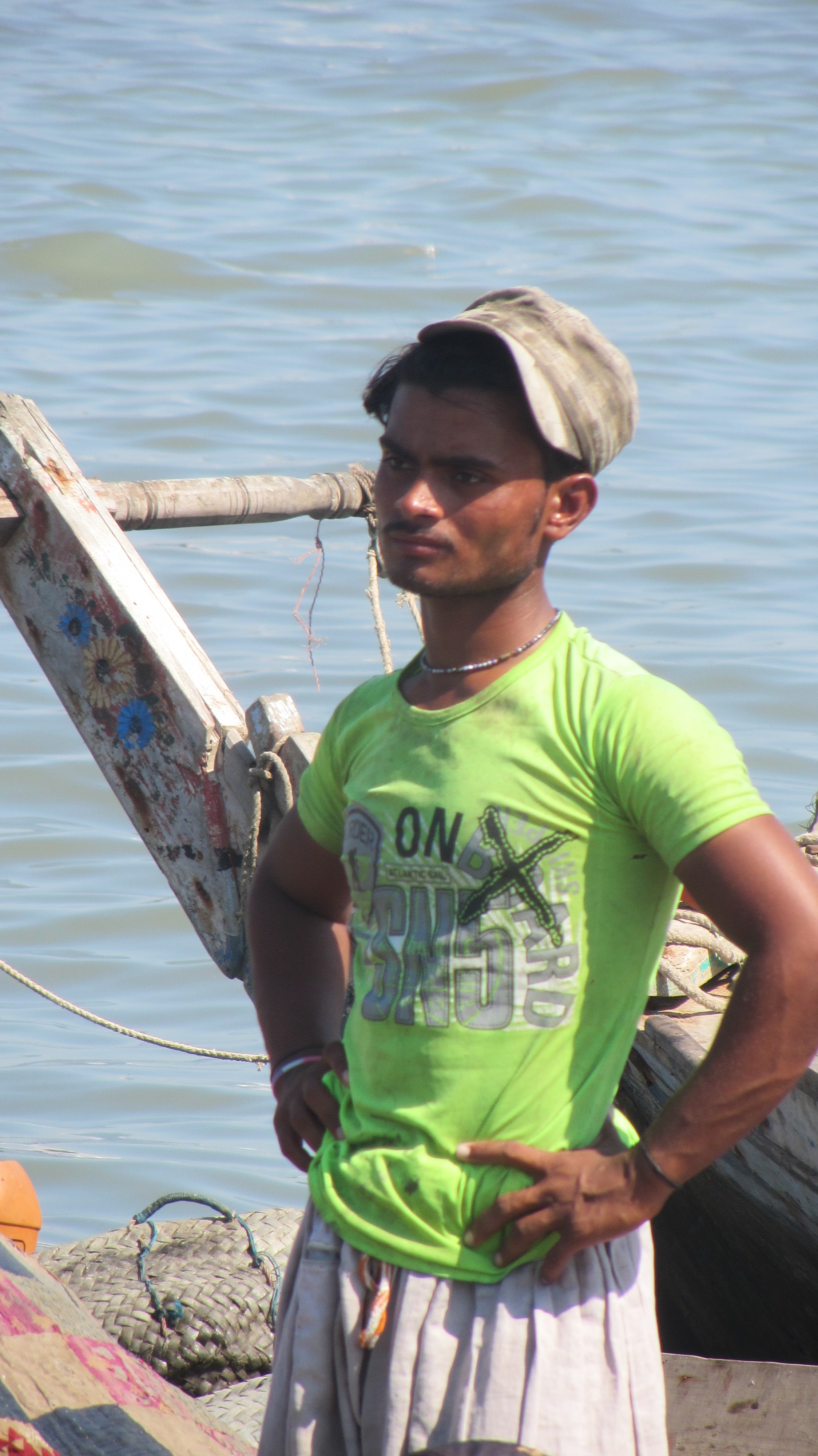
Once aboard the ship, sea marshals are forgotten men

Standard


Middlemen in the fishing business hire people but disown them at the sea
Karachi

On his deathbed, Rana Sarfaraz vowed to take his murderers to court. The 37-year-old sea marshal spent 13 months in the open seas before he died on August 29 hungry, sick and too weak to move.
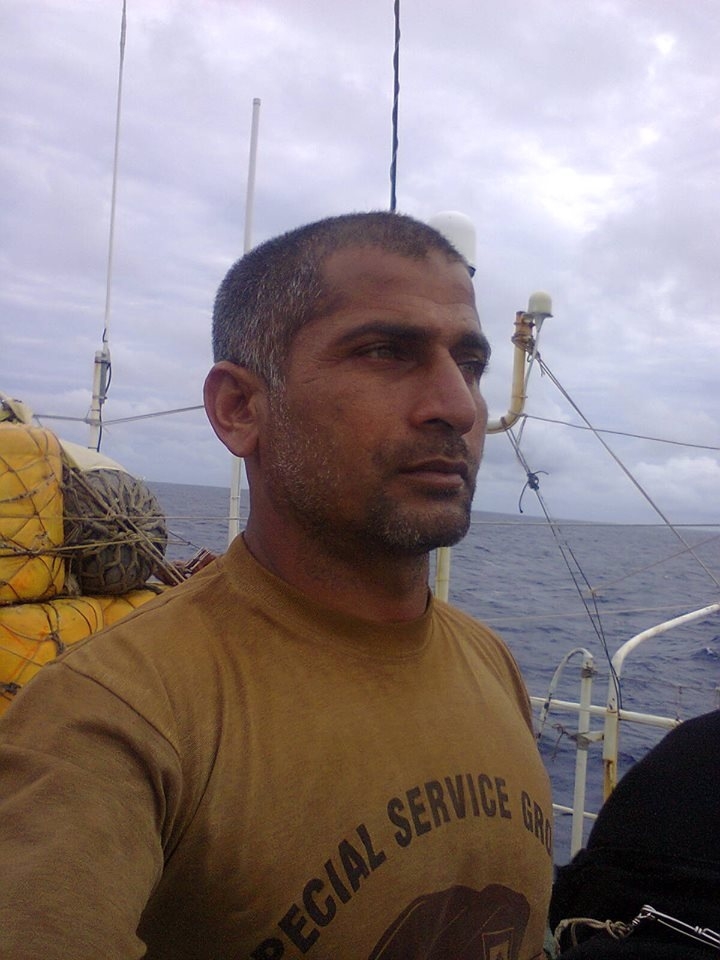
sarfaraz

the late Sarfaraz who died while performing his duties at the sea

Sarfaraz and his friend Umer Khanzada had been hired on a six-month contract by an agent named Asad Iqbal Gill. Their job was to provide security to the Jet Mark 726, a Taiwanese fishing vessel. But once aboard the ship, the men realised what a huge mistake they had made.

As a general practice Pakistani middlemen recruit sea marshals, fix a contract and send them off to foreign companies. In this case, the Pakistani company Cosmic Transportation and Chartering Network hires employees for an Australian company named Shian International. Bahria Security provides the sea marshals licensed weapons. While sailing, the captains refuse to take care of them and the recruits become the responsibility of the middlemen.

“While the captain had meat, dairy, fruits and vegetables for his crew, he only gave us a few cans of fish, half a kilo of sugar and a bottle of coffee, which was to last for the entire 13 months we sailed,” recalls Khanzada, who survived to narrate the horrific ordeal.

On board, the two friends developed a disease called acute pulmonary oedema. “Our bodies swelled, our gums began bleeding and we could barely breathe.”

In February 2013, their six-month contract expired. But they were not relieved of their duties. Their repeated calls for help were ignored. In April, they managed to contact their employers through a fax machine at the vessel.

Copies of the fax messages available with The News reveal 20 messages were sent to the employers over the period of seven months; with each call for help more desperate than the previous. The last message on August 16, a few days before Sarfaraz died, stated: “Our food stock is over. Our bodies and gums are swollen. We cannot walk. Call us back.”

Stranded in the middle of the sea with nowhere to go, the two men were confined to a tiny room and their beds. “When Sarfaraz died the captain did not believe us. He said we were lying, pulling up an act.”

Khanzada takes a few minutes to pull himself together, then continues: “A kind crewmember performed the funeral rites [of Sarfaraz], washed the body, wrapped it in a bed sheet, and placed it in the cold storage with the fish catch. By then I had no strength to move.”

It was only after a human life was lost, the captain realised the seriousness of the situation. On August 30, a barely alive Khanzada was taken to a hospital in Mauritius. Sarfaraz’s body was flown back to Pakistan, where a mourning brother, a widow and four children awaited.

Rana Israr, the victim’s brother, says there have been no explanations or compensations. “Gill slipped Rs10,000 in my pocket. I kept asking how could a healthy young man die? Was there no treatment given at the ship? I never received a reply.”

Gill, who heads the Cosmic Transportation and Chartering Network, refuses to take the blame of Sarfaraz’s death. “I am just a middleman. According to my knowledge, Rs1.1 million have been paid in compensation to the family.” But the family awaits.

Modern slavery

A tycoon, who has been in the fishing industry for 25 years, requesting anonymity says that this case is the perfect example of criminal negligence at the hand of the employers. “This is modern slavery. This was murder, a total disregard for human life.”

The industrialist maintains Pakistani men are not made for a life at sea, and should be released after two months. “Unfortunately, fishy recruiters hoodwink men, promising them exaggerated financial gains. Several lives are lost this way every year.”

Dr Abdur Razzaq, a criminal law expert, says the employers should be tried under the Fatal Accident Act, 1855. The law states when an employee dies due to criminal negligence of the employer, the aggrieved family should receive compensation. The court decides the compensation based on the economic worth of an individual. The employer has to pay the aggrieved family the victim’s annual earnings for the rest of his life. Pakistani laws define the average life of a person as 70 years.

“So in this case, the company should pay Sarfaraz’s family for 33 years,” Razzaq maintains. “Apart from financial compensations, there is non-financial compensation as well.”

originally published here
Between immigrants and citizens, the lines are blurred

Standard

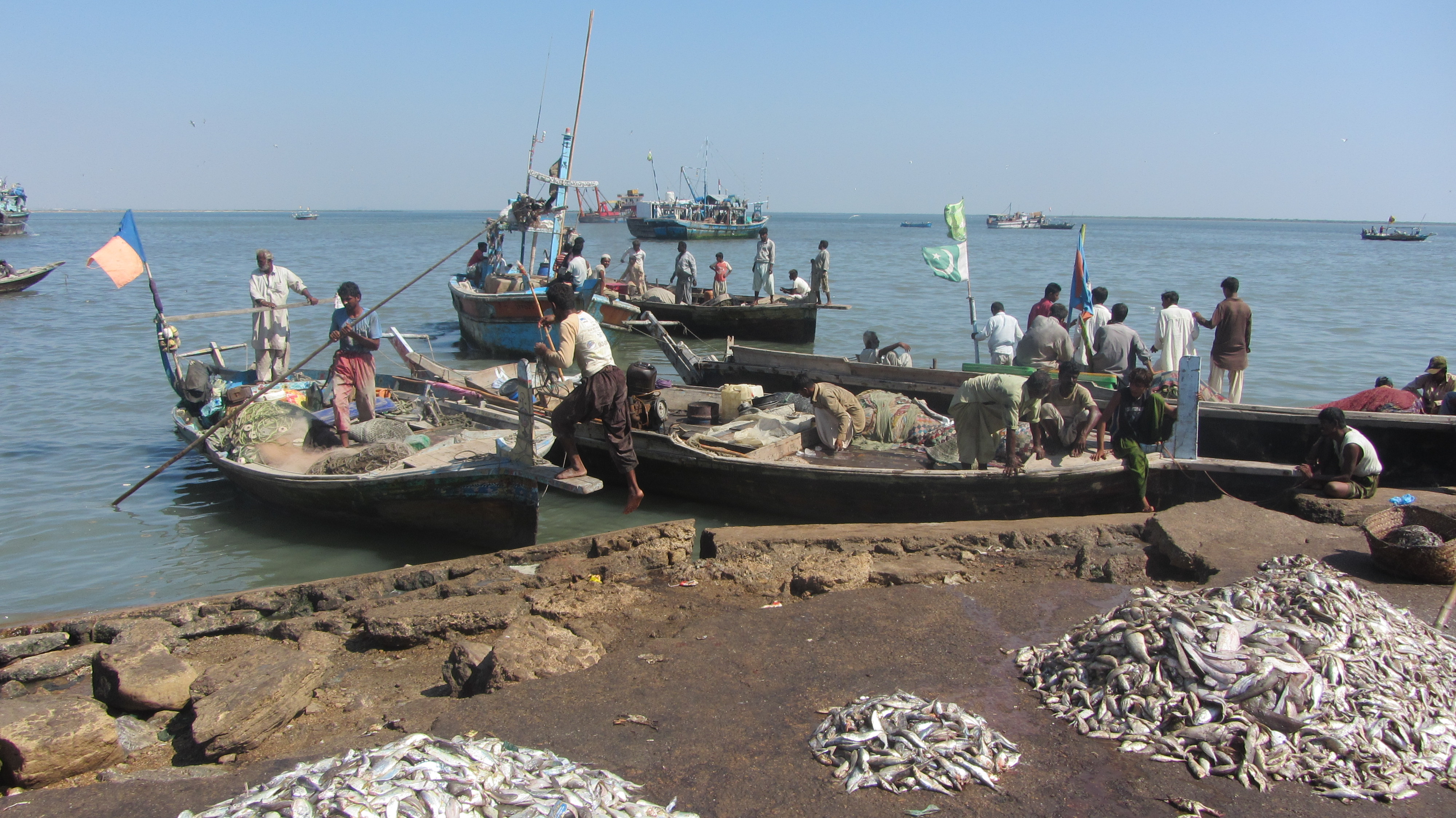
Once merely immigrants, the Bengali and Burmese communities have become an integral part of Pakistani society, especially the fishing industry
edhi 009
Karachi

Nine-year-old Dil Muhammad was born in a fishing village on the outskirts of Karachi. His parents migrated to the bustling financial centre when the Pakistani rupee held more value than the Bangladeshi taka. Theirs was an economic migration.

Muhammad Ali, 8, a Rohingya by ethnicity, chose Karachi as his permanent abode to escape persecution in Rakhine State of Myanmar (Burma). The city not only provides his family with food to survive, but also freedom to visit the local mosque – an unthinkable idea in his native land. He too settled with others of his community near the sea.

The Bengali and Burmese, mostly illegal immigrants, have gradually increased in number to become major players in the fishing industry. If asked to pack up and leave, the $1.2 billion (approximately Rs127.32 billion) fishing industry may face disastrous setbacks.

Employed at the lowest rung of the economic ladder, the community still plays a major role to push each day forward at fishing jetties across the city. Women and children perform menial tasks, while men in groups of 70 and 80 mount boats and go on long fishing trips.

An ordinary day at these settlements by the sea begins with a visit to the local ‘vaara’, a place where trawlers laden with fish dump their goods. As early as five in the morning, they queue outside. The first one to reach gets the most work. They return with baskets full of fish and shrimp, which they clean throughout the day.

Because children with small fingers are suited best for the work, child labour is rampant. “I peel about three to five baskets of shrimp every day. On a good day I make Rs200,” said nine-year-old Sanjeeda. Often ice inside the baskets makes their hands numb and they use henna on their finger tips to soothe the pain.

The children who fail to get work at the fish factories gather at speed breakers and broken roads. They pick up the trail of fish that open trawlers filled to the brim leave on their way to the factories. Their collection can go home as food for the day, or the city bazaars where they sell what they can.

Over 800,000 people depend directly or indirectly for their livelihoods on the fishing sector where exports make up $230 million (approximately Rs24.403 billion), states a study published in 2010 by the United Nations Industrial Development Organisation.

According to the Pakistan Fisherfolk Forum (PFF), 50 percent of the fishing industry is dominated by the Bengali and Burmese communities, of which Burmese make up two-thirds of the workforce.

Although the National Alien Registration Authority has only managed to register a few thousand of these nationals, independent estimates suggest that their numbers are much more.

edhi 005

Mass migration

“When they started settling in the city, they barely made up 50,000. But an average family size in these communities is 12, so over the years their population has increased,” said Kamal Shah of the PFF.

The immigrants arrived between the ’70s and ’90s, mostly through land, crossing the Bangladesh-Burma border, then the Bangladesh-India border, and then the India-Pakistan border.

“Many of these people were kept in refugee camps where women were often raped and men taken bribes from, before giving them a safe passage to the next country,” said Shah.

They settled in squatter settlements at Rehri Goth, Chashma Goth, Ibrahim Hyderi, Machhar Colony and Korangi 2½ – localities situated along the coastal belt, mainly because fishing was the only profession they were familiar with.

edhi 011

Parallel economy

Rana Asif, president of the not-for-profit Initiators, which works with children from the community, said: “The community has now formed a parallel economy. The fishing industry depends on them. This is true for most other immigrants who come to the city. Like the Afghans who dominate the garbage recycling industry and the tandoors where bread is made.”

Renowned city planner Arif Hasan claims that if the community is sent back to their home countries, the gap would be filled by other fishermen. “If asked to leave, their jobs will be taken up by Sindhi fishermen. In such poverty there is no dearth of labour.”

But he maintains that it is unlikely that the government will ever displace such a large number of people. “Especially when members of the community have managed to obtain identity cards. Whether they are fake or real is a different debate altogether.”

With schools opened by the civil society in the area, the community has developed interest in education. The need for an identity card is felt even more when students need admission in university or employment in factories. Locals claim to have paid a sum of Rs15,000 to Rs20,000 to get identity cards.

If education brings with it upward mobility and citizenship continues to cost a few thousand rupees, soon the lines may blur.

This generation of children speak fluent Urdu and know how to protect their ethnic identity. “I was born in Pakistan. No, I am not Burmese,” said nine-year-old Ahmed who collects rotten fish to sell at a chicken feed factory. But his visibly Mongolian features make him stand out.

edhi 012

originally published http://www.thenews.com.pk/Todays-News-4-209221-Between-immigrants-and-citizens-the-lines-are-blurred