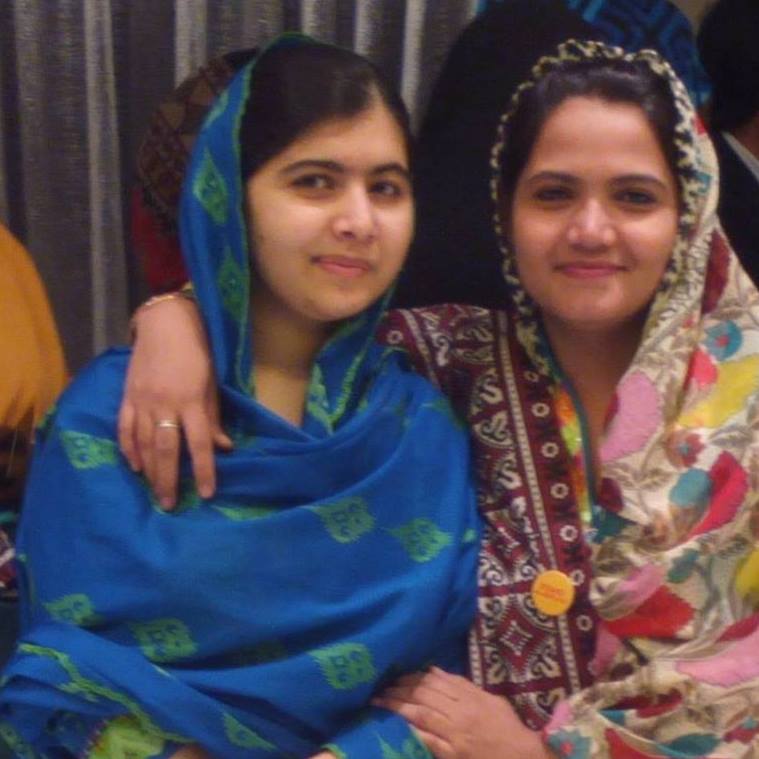
KARACHI: Kainat Soomro, a 22 year old rape survivor can now talk in broken English. For the past one year, the Malala Fund has been sponsoring her education.
The last Kainat went to school was in 2007—the same day she was gang raped by four men. The thirteen-year old was buying toys for her niece at a shop near her house on her way back from school, she says, when she was drugged and taken away to an undisclosed location where she was raped by four men.
Defying all norms, Kainat’s family refused to settle the matter in the local Jirga where Kainat would have been declared a Kari— dishonoured for having had sex out of marriage. Under threats to their life, the family packed up and left their village Mehar, for Karachi.
It has been eight years since the incident—but the family has not received justice yet. The alleged rapists were acquitted by the city court in 2010 for lack of evidence. The same year, in a brutal act Kainaat’s brother was shot dead allegedly by her rapists.
Kainat’s story was documented in a film named ‘Outlawed in Pakistan’ which won an Emmy Award last year. A few days after the award came home— Kainat received a phone call from an unknown number. “It was Malala,” says an excited Kainat. “She asked me how I was, that she felt bad at how justice was denied to me, and she wanted to help me.”
“I told her I wanted to study, speak English fluently.” It has almost been a year, and Malala pays for a tuition teacher who visits her house, and classes at an English-learning centre near her house.
For several years, between fighting her case and protesting outside the Karachi Press Club, school became a distant dream. And after her brother Sabir Soomro was shot dead by unknown men, the family began to live under police protection. They were not allowed to wander out of their house unless a policeman accompanied them.
Now the family has plead their case in the Sindh High Court. And as the case has lost the fervor with which it was being fought once—and media attention has wavered—if not completely disappeared —Kainat has gotten a chance to study again.
Malala calls me her sister, says Kainat. For the nobel peace prize ceremony in Oslo, and then the world premiere of biopic ‘He named me Malala’ in New York, Kainat was one of the few guests invited from Pakistan.
“We shared the same hotel as Malala. And I and Malala and entered the hall to receive the award together,” said Kainat.
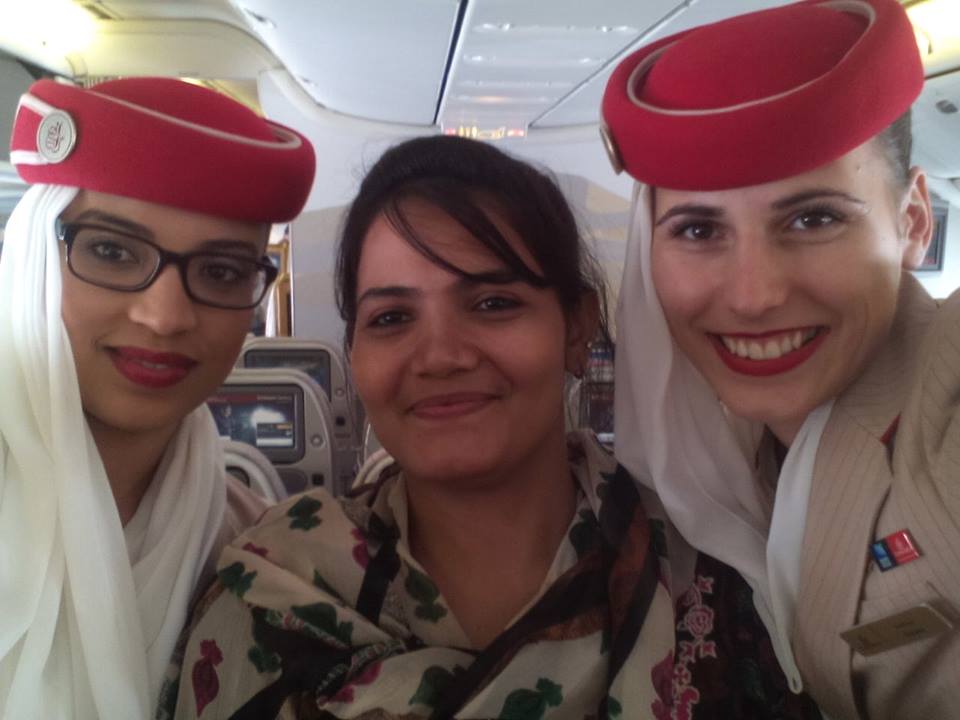
She has a photo album of her travel to Oslo and then New York. She poses by the Times Square, clicks pictures with the flight attendants and wraps her arm around Malala—her face cracks up in a laugh.
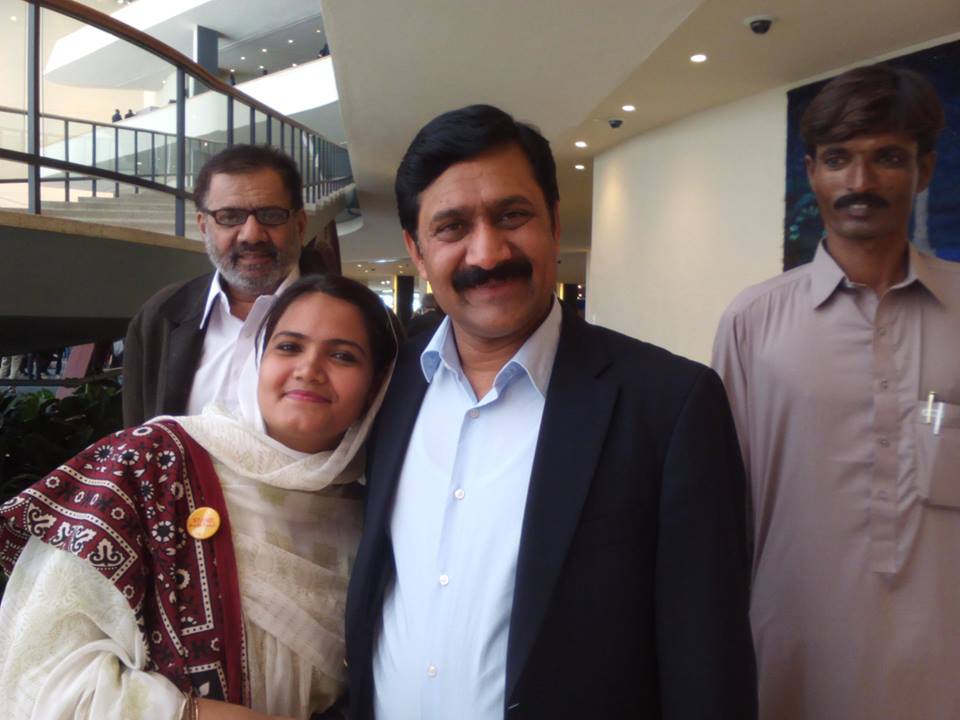
“Malala is very humble. All the attention that she gets has not gotten into her head,” says Kianat.
Our lives are very similar, claims Kainat. “We have both suffered so much in life. But now things are getting better.”
The 22-year old is now preparing for her grade nine exam. After she completes grade 12, she plans to enroll in Bachelor’s programme in the United Kingdom.
“Malala said she will help me get to college. She will write me a recommendation. And the Malala Fund will help me get a university degree.”
The anger that once engulfed Kainat has dissimilated. Her youth is being positively channelized into getting an education. “I want justice. I want the four rapists to get punished. But at the same time if I complete my education I will be able to help myself, and young girls like me, who are raped and then rejected by the society,” she says.
Kainat has given a whole new meaning to what Malala once said. “One book, one pen, one teacher and one child, can change the world.”
originally published here

 sidrahroghay