In city’s Pakhtun areas, war on polio extremely hard

Standard

Karachi

When asked about the utility of the polio vaccine, Mirdaat, an eight-year-old Afghan waste picker calls it “an American conspiracy to wipe out the Muslim race”.

He holds the same opinion about blood screening for hepatitis. “Health workers will sell our blood to America. There is honour in Pakhtun blood. It cannot be sold.”

Eight other little waste pickers accompanying Mirdaat nod their heads in agreement.

After a controversial CIA-funded hepatitis B campaign, the polio vaccination drive in the Pakhtun-dominated localities of Karachi – where many Taliban militants are holed up – has suffered a serious setback.

So much so, that the CIA’s campaign to ensnare Osama Bin Laden was misconstrued as a polio vaccination drive.

Since mid-July last year, 17 health workers and five policemen involved in anti-polio campaigns have been killed and 14 others wounded by militants in 25 attacks across the country.

In December, five female vaccinators were shot dead in Karachi and Peshawar.

On May 13, Abdul Waheed, a social activist, was gunned down after he began a polio eradication campaign at his school. The campaign was hurriedly wrapped up.

Pakistan remains one of the three endemic countries for polio, along with Afghanistan and Nigeria. However, despite security threats, the country has made significant progress towards polio eradication in the last 18 months, according to a recently published report, “End Polio Pakistan”, by the WHO and Unicef.

There were 46 polio cases reported in Pakistan this year, 34 in the Federally Administered Tribal Areas (Fata) and seven in Khyber Pakhtunkhwa. Both areas are affected by militancy and military operations. In Sindh, four cases were reported this year.

 Polio prevention

The polio virus infects only human beings therefore it cannot survive in an area where all inhabitants are vaccinated.

A case was reported recently wherein a minor girl in Gadap Town had contracted polio despite being vaccinated.

A child needs to be administered polio drops in every round of vaccination to strengthen immunity.

“Some children develop immunity after five or six doses. Most need as many as 10 doses. Where children are malnourished, more doses are needed,” it was stated in the Unicef report.

Considering the levels of malnourishment in Pakistan, which according to the Sustainable Development Policy Institute, affect 48 percent of the population, parents should never miss a polio drive.

Many Islamic scholars and religious institutions have endorsed the vaccine, terming it halal. They include the Darul Uloom Deoband India, the Organisation of the Islamic Conference, the International Union for Muslim Scholars, and the imams of Masjid al-Aqsa in Jerusalem and Al-Azhar Masjid in Cairo.

Moreover, all hajj pilgrims are now required to be vaccinated against polio.

Abdullah Bukhari, an elder of the Afghan Basti near Sabzi Mandi, gives an open invitation to health workers.

“We are aware of the health concerns that involve our people. If polio vaccinators face any hurdles, they are free to contact me. I will personally accompany them to ensure their safety.”

October 24 is marked as World Polio Day
 

Between immigrants and citizens, the lines are blurred

Standard

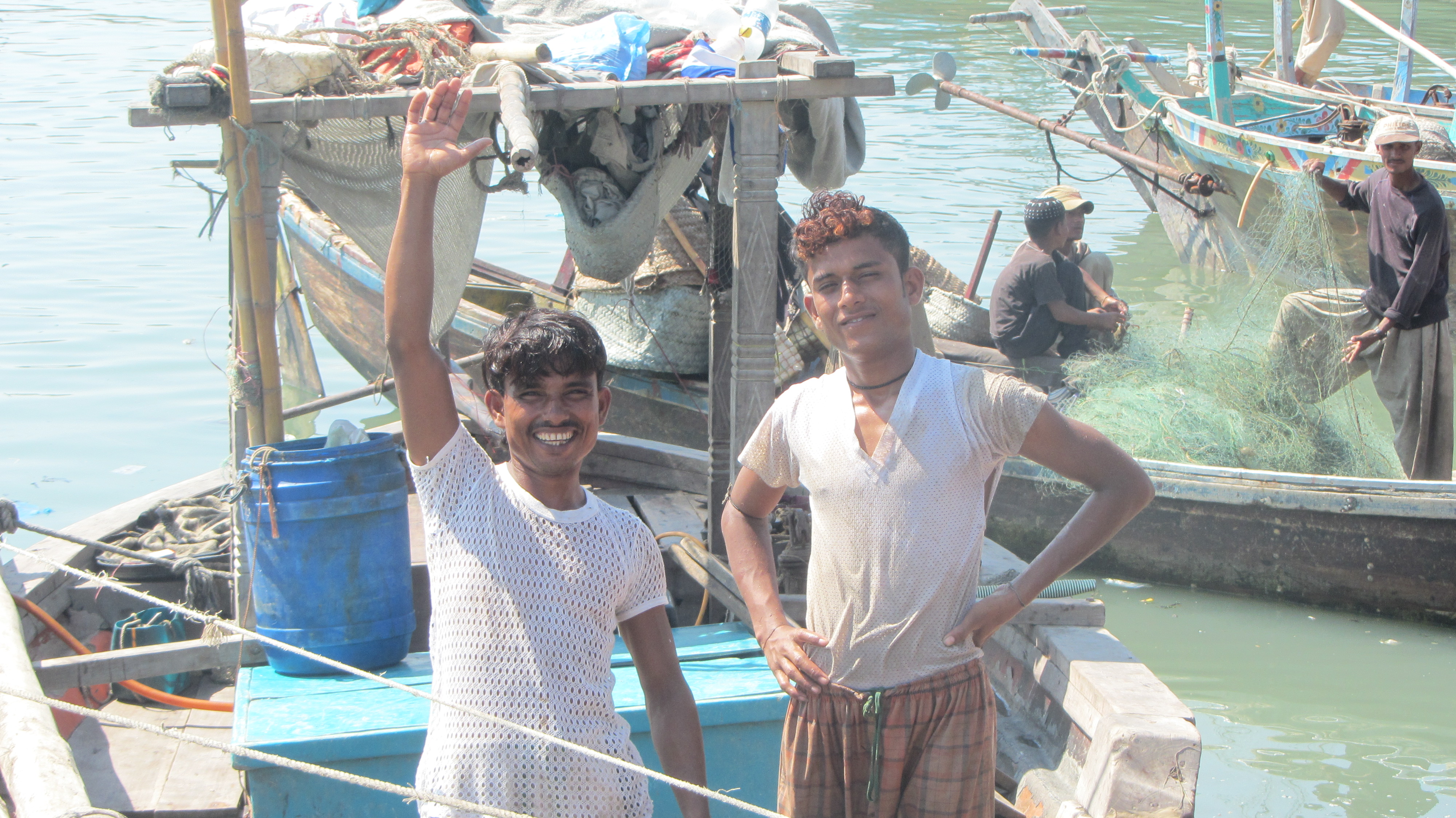
Once merely immigrants, the Bengali and Burmese communities have become an integral part of Pakistani society, especially the fishing industry
edhi 009
Karachi

Nine-year-old Dil Muhammad was born in a fishing village on the outskirts of Karachi. His parents migrated to the bustling financial centre when the Pakistani rupee held more value than the Bangladeshi taka. Theirs was an economic migration.

Muhammad Ali, 8, a Rohingya by ethnicity, chose Karachi as his permanent abode to escape persecution in Rakhine State of Myanmar (Burma). The city not only provides his family with food to survive, but also freedom to visit the local mosque – an unthinkable idea in his native land. He too settled with others of his community near the sea.

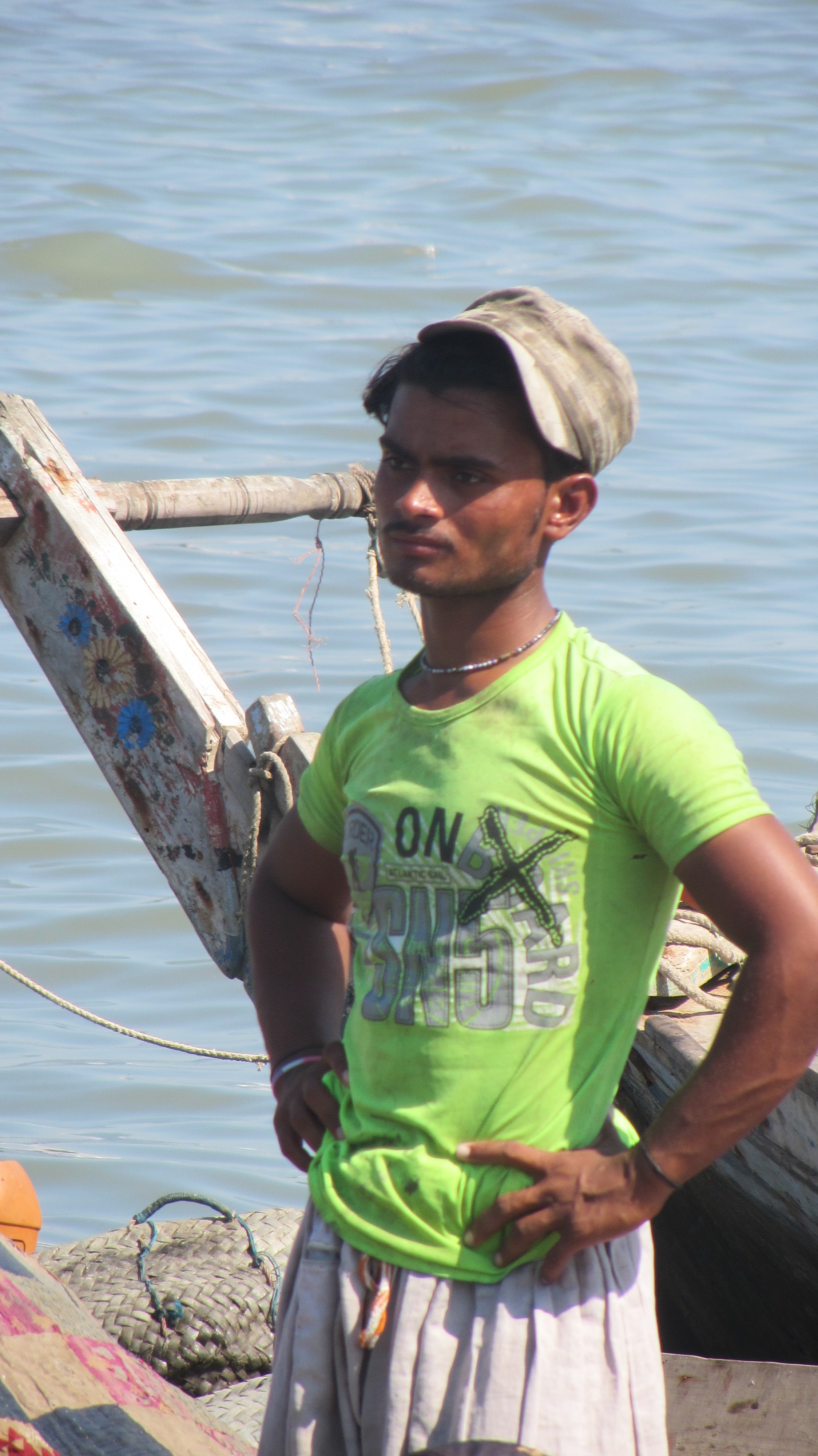
The Bengali and Burmese, mostly illegal immigrants, have gradually increased in number to become major players in the fishing industry. If asked to pack up and leave, the $1.2 billion (approximately Rs127.32 billion) fishing industry may face disastrous setbacks.

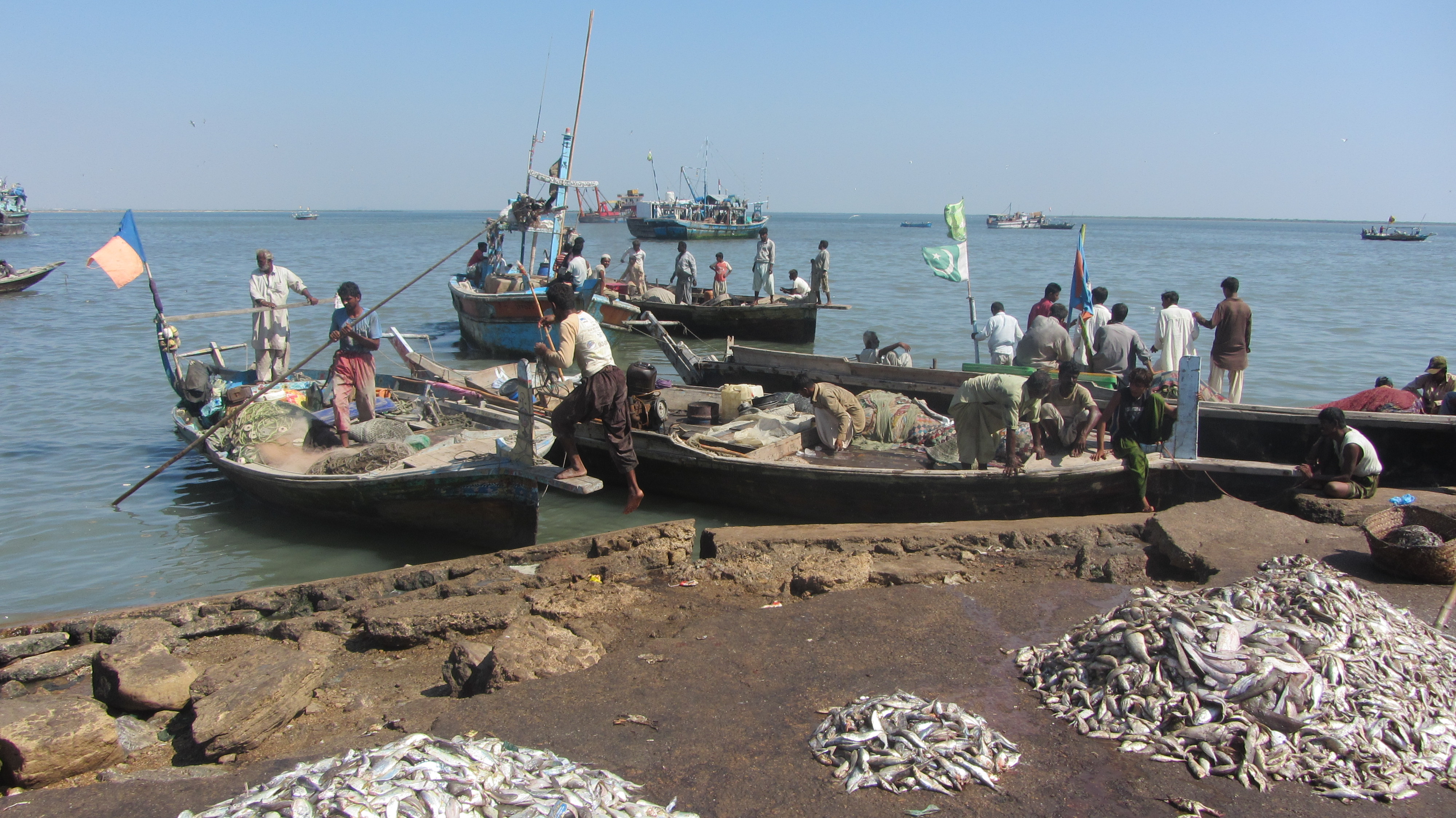
Employed at the lowest rung of the economic ladder, the community still plays a major role to push each day forward at fishing jetties across the city. Women and children perform menial tasks, while men in groups of 70 and 80 mount boats and go on long fishing trips.

An ordinary day at these settlements by the sea begins with a visit to the local ‘vaara’, a place where trawlers laden with fish dump their goods. As early as five in the morning, they queue outside. The first one to reach gets the most work. They return with baskets full of fish and shrimp, which they clean throughout the day.

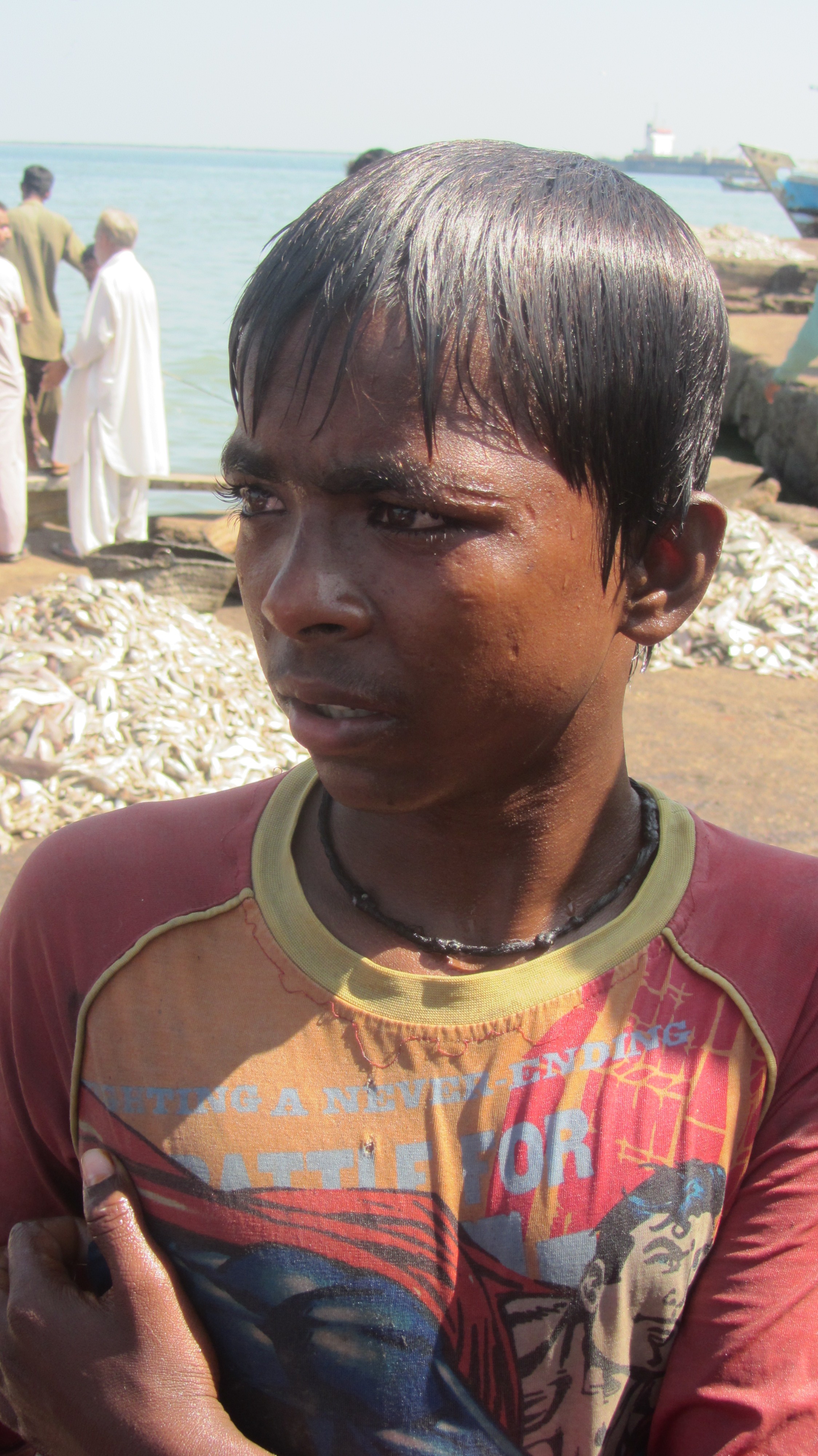
Because children with small fingers are suited best for the work, child labour is rampant. “I peel about three to five baskets of shrimp every day. On a good day I make Rs200,” said nine-year-old Sanjeeda. Often ice inside the baskets makes their hands numb and they use henna on their finger tips to soothe the pain.

The children who fail to get work at the fish factories gather at speed breakers and broken roads. They pick up the trail of fish that open trawlers filled to the brim leave on their way to the factories. Their collection can go home as food for the day, or the city bazaars where they sell what they can.

Over 800,000 people depend directly or indirectly for their livelihoods on the fishing sector where exports make up $230 million (approximately Rs24.403 billion), states a study published in 2010 by the United Nations Industrial Development Organisation.

According to the Pakistan Fisherfolk Forum (PFF), 50 percent of the fishing industry is dominated by the Bengali and Burmese communities, of which Burmese make up two-thirds of the workforce.

Although the National Alien Registration Authority has only managed to register a few thousand of these nationals, independent estimates suggest that their numbers are much more.

edhi 005

Mass migration

“When they started settling in the city, they barely made up 50,000. But an average family size in these communities is 12, so over the years their population has increased,” said Kamal Shah of the PFF.

The immigrants arrived between the ’70s and ’90s, mostly through land, crossing the Bangladesh-Burma border, then the Bangladesh-India border, and then the India-Pakistan border.

“Many of these people were kept in refugee camps where women were often raped and men taken bribes from, before giving them a safe passage to the next country,” said Shah.

They settled in squatter settlements at Rehri Goth, Chashma Goth, Ibrahim Hyderi, Machhar Colony and Korangi 2½ – localities situated along the coastal belt, mainly because fishing was the only profession they were familiar with.

edhi 011

Parallel economy

Rana Asif, president of the not-for-profit Initiators, which works with children from the community, said: “The community has now formed a parallel economy. The fishing industry depends on them. This is true for most other immigrants who come to the city. Like the Afghans who dominate the garbage recycling industry and the tandoors where bread is made.”

Renowned city planner Arif Hasan claims that if the community is sent back to their home countries, the gap would be filled by other fishermen. “If asked to leave, their jobs will be taken up by Sindhi fishermen. In such poverty there is no dearth of labour.”

But he maintains that it is unlikely that the government will ever displace such a large number of people. “Especially when members of the community have managed to obtain identity cards. Whether they are fake or real is a different debate altogether.”

With schools opened by the civil society in the area, the community has developed interest in education. The need for an identity card is felt even more when students need admission in university or employment in factories. Locals claim to have paid a sum of Rs15,000 to Rs20,000 to get identity cards.

If education brings with it upward mobility and citizenship continues to cost a few thousand rupees, soon the lines may blur.

This generation of children speak fluent Urdu and know how to protect their ethnic identity. “I was born in Pakistan. No, I am not Burmese,” said nine-year-old Ahmed who collects rotten fish to sell at a chicken feed factory. But his visibly Mongolian features make him stand out.

edhi 012

originally published http://www.thenews.com.pk/Todays-News-4-209221-Between-immigrants-and-citizens-the-lines-are-blurred